I recently had a consultation with a client who was dealing with a bout of back and hip pain. He was seen by a medical professional for an X-ray which revealed “Arthritis“ in his low back. The advice given to him: Stop lifting weights🤦♂️🤬.
This would be almost laughable if it wasn’t such a frequent occurrence. Unfortunately, all too often this is the advice given to people seeking guidance after an injury. Stop doing the activity you enjoy because it must be bad for you. This is one of my biggest pet peeves in the medical community, and I’m here to tell you just how awful this advice is.
In a 1994 study by Pappas et al examining MRI results of the low backs in 98 individuals with ZERO pain, 52% had at least one disc bulge and 27% had a disc protrusion. Only 36% had “normal findings”. Another study by Sher et al examined the MRI results of 96 subjects with NO SHOULDER PAIN. The results: 14 with full thickness tears and 19 with partial thickness tears of the rotator cuff. There are countless numbers of these studies out there. So, if these pain free individuals are living their life with rotator cuff tears, degenerate disc disease, and arthritis, what’s stopping you?
So, what do you do if you are experiencing pain? Should you stop all activities? Quit the gym? Accept a life of inactivity and reminiscing about the good ole days when you could be active? HELL NO! Quite the opposite. A quote from Tim Gabbett states “It’s not the load that breaks you down, it’s the load you’re not prepared for”. Simply put, most injuries occur as a result of lack of preparation vs over exertion.
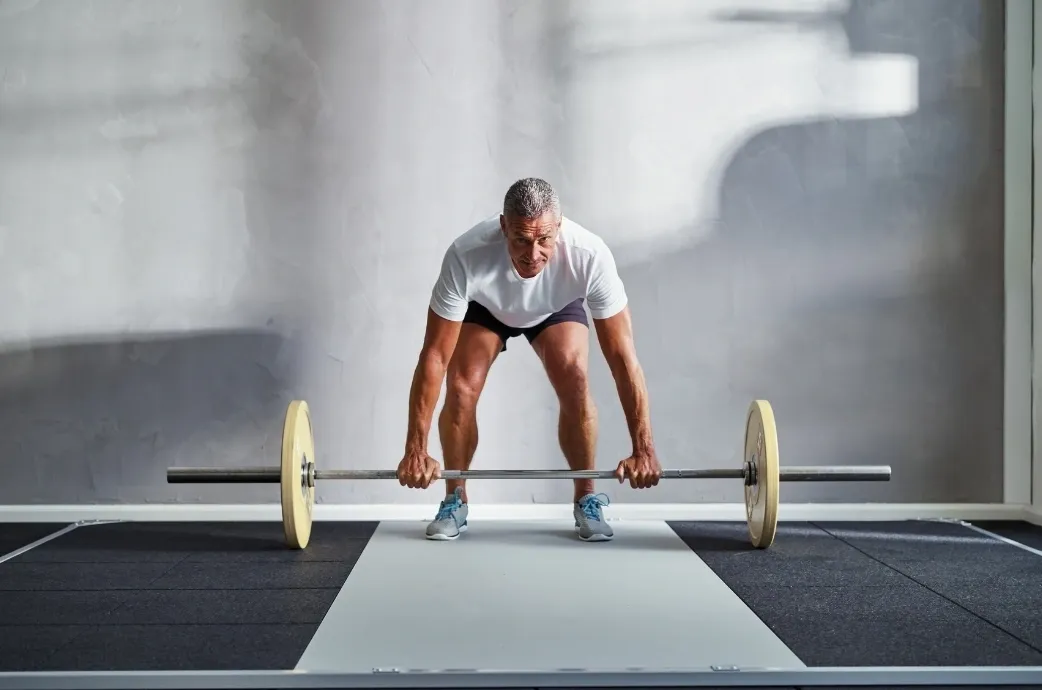
The solution: train your body for the life you want to live. If you want to be able to get out of your chair, you better be squatting. If you want to pick up that bag of dog food off the floor, you better be deadlifting. If you want to continue to run, hike, play with your kids/grandkids, or enjoy an active lifestyle, a structured exercise program should be a part of your week…and YES, that means lifting weights.
So next time your doctor tells you to stop doing something you love, thank them for their time, and get out of there as fast as you can. Find a medical professional who will help you achieve your goals, not squash them.